 11
11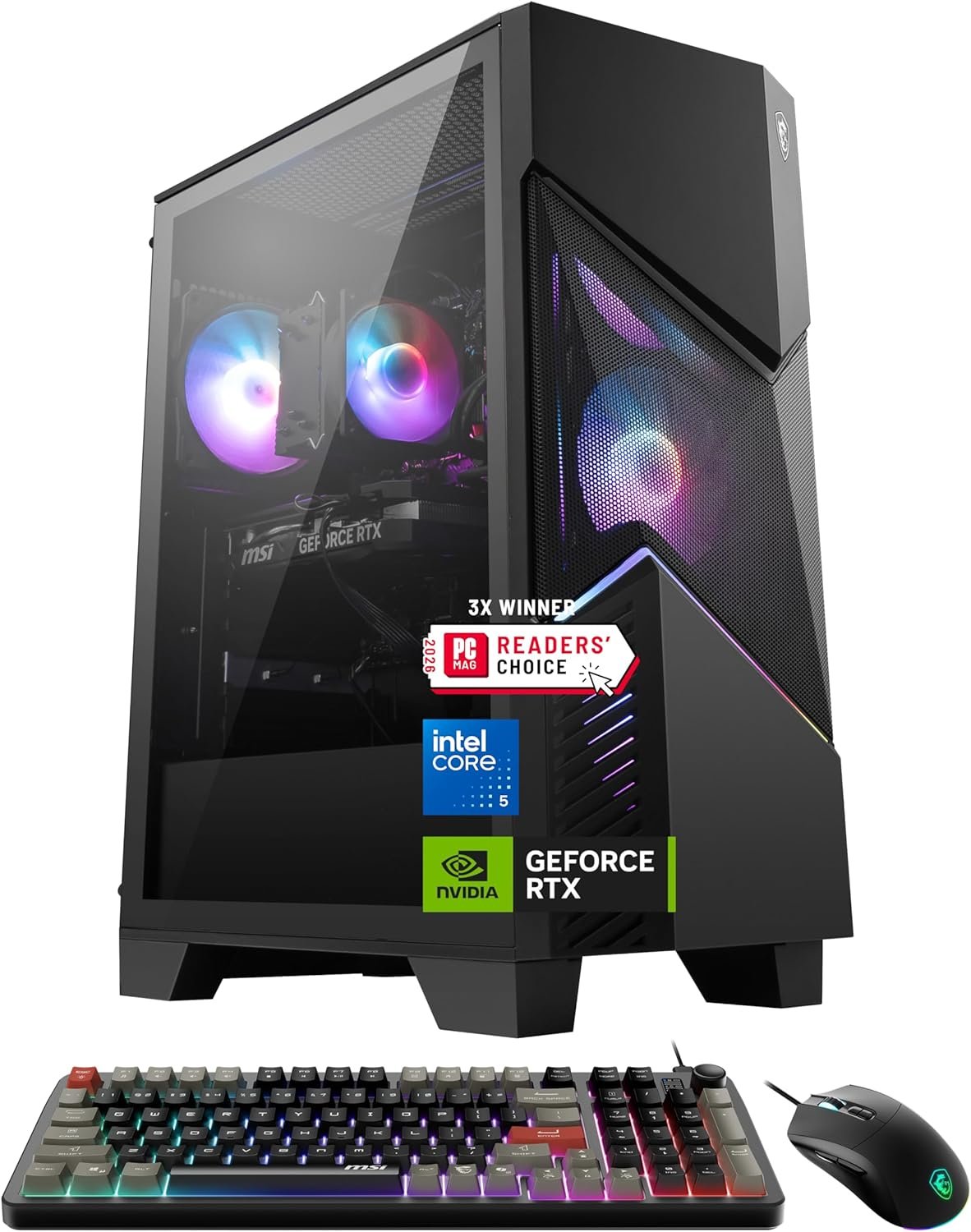
In modern PC gaming and workstation desktop design, maintaining balanced hardware throughput is essential to prevent system bottlenecks. High-refresh-rate 1440p gaming, entry-level 4K rendering, and AI-accelerated creative workflows demand synchronized communication between the central processor, graphics engine, system memory, and storage buses.
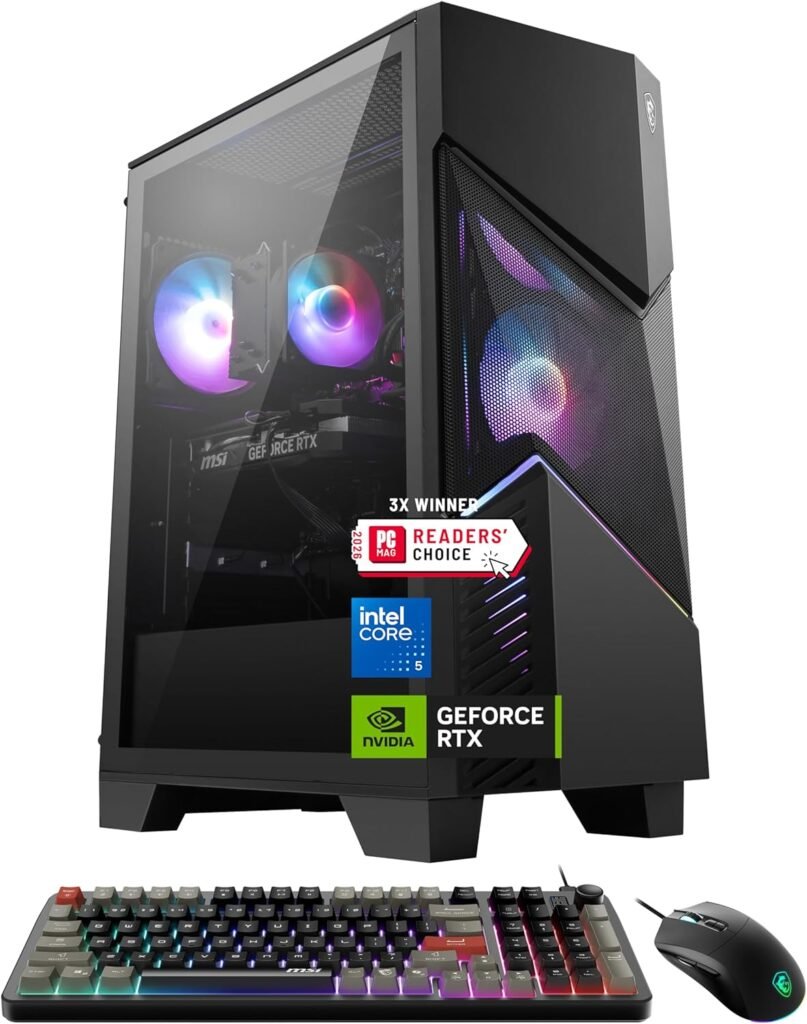
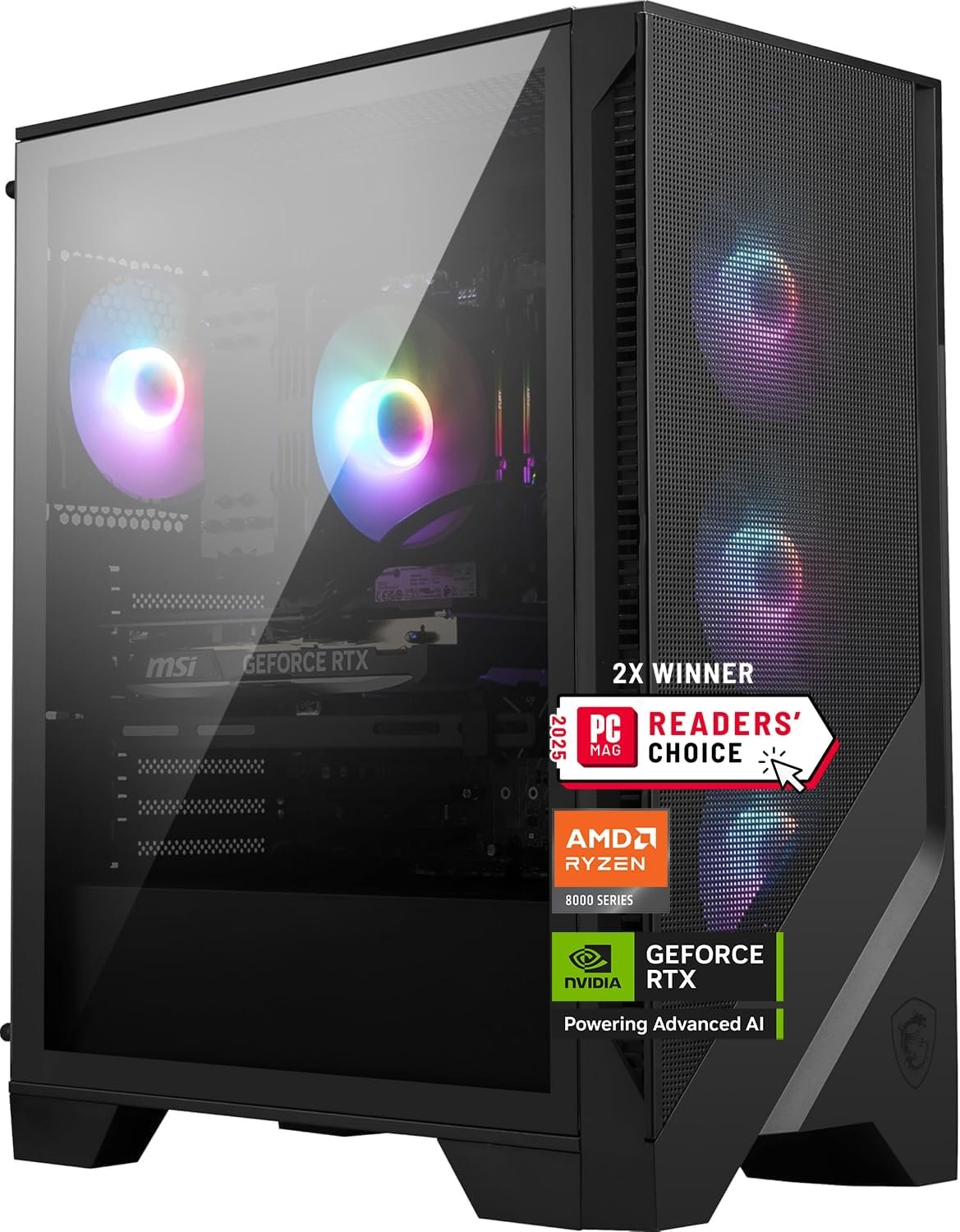
The MSI Codex R2 (Model SKU: D14NVP5-613US) is a mid-to-high-tier prebuilt desktop platform engineered around standard, non-proprietary hardware components. Utilizing an Intel Core i5-14400F processor and an NVIDIA GeForce RTX 5070 graphics card, this preconfigured system integrates 32GB of high-speed DDR5 RAM and a 1TB PCIe M.2 NVMe Solid State Drive inside a high-airflow tower case featuring dedicated air cooling and Wi-Fi 6E networking.
This technical document presents an architectural analysis of the MSI Codex R2 D14NVP5-613US, examining its underlying silicon microarchitectures, thermal dynamics, system memory bandwidth, expansion capability, and performance profiles.
| Hardware Category | Specification / Component Details |
| System Model SKU | MSI Codex R2 D14NVP5-613US |
| Central Processor (CPU) | Intel Core i5-14400F (10 Cores / 16 Threads, up to 4.7 GHz) |
| Graphics Card (GPU) | NVIDIA GeForce RTX 5070 12GB GDDR7 |
| System Memory (RAM) | 32GB DDR5-6000 MHz (2 x 16GB Configuration) |
| Primary Storage | 1TB M.2 PCIe Gen4 NVMe SSD |
| Motherboard Platform | Intel H610 Chipset (Standard Micro-ATX form factor) |
| Power Supply Unit (PSU) | 750W 80 PLUS Gold Certified |
| Cooling Solution | ARGB Tower CPU Air Cooler + 4-Fan Chassis Airflow |
| Networking & Wireless | Wi-Fi 6E (802.11ax), Bluetooth 5.3, Gigabit Ethernet LAN |
| Front/Top Panel I/O | 1x USB 3.2 Gen 1 Type-C, 1x USB 3.2 Gen 1 Type-A, 3.5mm HD Audio Jacks |
| Display Outputs | 3x DisplayPort 1.4a/2.1, 1x HDMI 2.1 |
| Operating System | Windows 11 Home 64-bit |
The visual rendering engine of the Codex R2 D14NVP5-613US is the NVIDIA GeForce RTX 5070, built on NVIDIA’s next-generation Blackwell GPU architecture. Designed to succeed the Ada Lovelace generation, the RTX 5070 is equipped with 12GB of high-speed GDDR7 VRAM and enhanced computational hardware for ray tracing and real-time AI frame reconstruction.
       [ NVIDIA Blackwell Graphics Pipeline ]
  ┌──────────────────────────────────────────────┐
  │ 12GB GDDR7 Memory (High-Bandwidth Bus)       │
  ├──────────────────────────────────────────────┤
  │ Fifth-Gen Tensor Cores (DLSS 4 Engine)      │
  ├──────────────────────────────────────────────┤
  │ Fourth-Gen Ray Tracing Cores (BVH Acceleration)│
  ├──────────────────────────────────────────────┤
  │ NVENC Dual Encoder Engine (AV1 / H.265)     │
  └──────────────────────────────────────────────┘
The RTX 5070 introduces GDDR7 video memory, delivering a substantial increase in memory bandwidth compared to GDDR6X predecessors. Higher memory bandwidth resolves data queuing bottlenecks when processing ultra-high-resolution texture maps, complex volumetric fog, and detailed geometry buffers.
The GPU features Fifth-Generation Tensor Cores designed to execute low-precision matrix math operations (such as FP4 and INT8) with high efficiency. These tensor execution blocks power NVIDIA DLSS 4 (Deep Learning Super Sampling), incorporating Multi-Frame Generation:
Providing central compute power for the Codex R2 is the Intel Core i5-14400F, a 14th-Generation processor based on Intel’s Raptor Lake Refresh architecture. Manufactured on the Intel 7 process node, this 10-core chip is optimized for balanced power consumption and multi-threaded throughput.
                [ Intel Core i5-14400F Topology ]
  ┌──────────────────────────────────────────────────────────┐
  │ 6 Performance Cores (P-Cores)  | Base: 2.5GHz | Boost: 4.7GHz │
  ├──────────────────────────────────────────────────────────┤
  │ 4 Efficient Cores (E-Cores)    | Base: 1.8GHz | Boost: 3.5GHz │
  ├──────────────────────────────────────────────────────────┤
  │ Total: 10 Cores / 16 Threads   | Smart Cache: 20MB L3     │
  └──────────────────────────────────────────────────────────┘
The i5-14400F splits physical execution resources into two distinct core types to optimize performance per watt:
The processor integrates 20MB of Intel Smart Cache (L3) shared across all execution units, along with expanded L2 cache pools. The integrated memory controller natively supports high-frequency DDR5 memory, allowing low-latency data access cycles between the CPU registers and system RAM.
The “F” suffix indicates that this CPU model omits integrated Intel UHD Graphics. By removing the iGPU die overhead, the processor operates strictly alongside the discrete RTX 5070 GPU, maintaining low thermal output and dedicated power distribution strictly across the execution cores.
Data availability directly determines system responsiveness during multi-application workloads and asset-heavy gaming. The Codex R2 D14NVP5-613US is configured with high-speed memory and solid-state storage.
        [ High-Throughput System Memory & Storage ]
  ┌─────────────────────────────────────────────────────────┐
  │ 32GB DDR5-6000 RAM (Dual-Channel Architecture)           │
  │  └─ Higher Bandwidth vs DDR4, Sub-Channel Command Queues│
  ├─────────────────────────────────────────────────────────┤
  │ 1TB M.2 PCIe Gen4 NVMe SSD                              │
  │  └─ DirectStorage Ready, High Sequential/Random IOPS    │
  └─────────────────────────────────────────────────────────┘
The machine comes populated with 32GB of DDR5 RAM running at high clock speeds.
Primary storage is provided by a 1TB M.2 NVMe SSD operating on the PCIe Generation 4 interface.
Thermal control is critical in compact gaming desktops to prevent automatic frequency throttling under heavy computational loads. The MSI Codex R2 chassis utilizes a high-airflow enclosure engineered for continuous thermal dissipation.
       [ Airflow & Dynamic Cooling Architecture ]

        Front High-Airflow Mesh Intake Panel
            ├──> Intake Fan 1 ──┐
            ├──> Intake Fan 2 ──┼──> Direct Air Stream ──> Internal Chamber
            └──> Intake Fan 3 ──┘                           │
                                                            ▼
                                                [ CPU Tower Air Cooler ]
                                                            │
                                                            ▼
      Rear Exhaust Fan <── Heated Air Discharge <── [ GPU Exhaust Array ]
Unlike closed-front chassis designs that restrict intake, the Codex R2 features a mesh-style front panel that allows fresh ambient air to enter the interior chamber uninterrupted.
Stable electrical power distribution and signal routing across components are managed by the internal motherboard and power supply setup.
       [ Motherboard Subsystem & Power Routing ]
  ┌────────────────────────────────────────────────────────┐
  │ 750W 80 PLUS Gold Power Supply (Stable Voltage Lines)  │
  ├────────────────────────────────────────────────────────┤
  │ Intel H610 Micro-ATX Motherboard Platform              │
  │  ├─ PCIe Gen 4 / Gen 5 Graphics Expansion Slot         │
  │  ├─ M.2 NVMe High-Speed Storage Bus                    │
  │  └─ Rear I/O Signal Traces & Audio Shielding           │
  └────────────────────────────────────────────────────────┘
The Codex R2 builds upon an Intel H610 motherboard platform (such as the MSI H610M-G).
Power delivery is handled by a 750-Watt Power Supply Unit (PSU) carrying an 80 PLUS Gold certification.
Modern gaming setups require versatile networking options, comprehensive I/O port options, and support for high-bandwidth virtual reality hardware.
       [ Comprehensive Connectivity Ecosystem ]
  ┌─────────────────────────────────────────────────────────┐
  │ Wi-Fi 6E (6GHz Low-Latency Band) + Bluetooth 5.3        │
  ├─────────────────────────────────────────────────────────┤
  │ Front Top Panel: USB 3.2 Gen 1 Type-C & Type-A Ports    │
  ├─────────────────────────────────────────────────────────┤
  │ Rear GPU: 3x DisplayPort 2.1/1.4a & 1x HDMI 2.1         │
  ├─────────────────────────────────────────────────────────┤
  │ VR-Ready Processing for Meta Quest Link, Valve Index, etc│
  └─────────────────────────────────────────────────────────┘
The Codex R2 D14NVP5-613US carries explicit VR-Ready validation.
Preloaded with Windows 11 Home, the desktop provides native support for modern PC gaming architectures.
System Control via MSI Center:
The pre-installed MSI Center software serves as a unified control dashboard. Users can monitor hardware health telemetry (temperatures, clock speeds, fan RPMs), switch power profiles (e.g., Silent Mode vs. Extreme Performance), and customize chassis RGB ambient lighting utilizing the Mystic Light controller engine. A physical LED control button on the top panel allows quick cycling through 60 built-in lighting profiles without opening software menus.
Based on the architectural specifications of the Intel Core i5-14400F and NVIDIA GeForce RTX 5070, the system targets specific performance tiers:
   [ Performance Expectations Across Render Resolutions ]

   1080p Full HD  :  ██████████████████████████████████  200+ FPS (Ultra High Refresh)
   1440p Quad HD  :  █████████████████████████           120-165+ FPS (Native/DLSS)
   4K Ultra HD    :  ██████████████                      60-90+ FPS (DLSS 4 Multi-Frame)
The system is optimized for high-refresh 1440p gaming.
While the RTX 5070 features 12GB of VRAM, DLSS 4 enables entry-to-mid level 4K gaming performance.
A major architectural advantage of the MSI Codex R2 series is its reliance on standardized, non-proprietary desktop components.
       [ Non-Proprietary Modular Hardware Layout ]
  ┌──────────────────────────────────────────────────────────┐
  │ Micro-ATX Motherboard (Standard 24-Pin ATX & 8-Pin CPU)  │
  ├──────────────────────────────────────────────────────────┤
  │ Standard ATX Power Supply Slot (Fully Replaceable)       │
  ├──────────────────────────────────────────────────────────┤
  │ Dual DDR5 DIMM Slots (Up to 96GB Supported)              │
  ├──────────────────────────────────────────────────────────┤
  │ PCIe 4.0/5.0 Full-Length GPU Expansion Slot              │
  └──────────────────────────────────────────────────────────┘
Unlike proprietary prebuilts that use custom-shaped motherboards or non-standard power supply connectors, the Codex R2 uses off-the-shelf component layouts:
| System Vector | Implementation / Technical Feature | Operational Benefit |
| Graphics Engine | NVIDIA GeForce RTX 5070 12GB GDDR7 | High-bandwidth 1440p/4K rendering with DLSS 4 & Ray Tracing |
| Compute Core | Intel Core i5-14400F (10 Cores / 16 Threads) | Hybrid core layout balances primary game threads and background app execution |
| System Memory | 32GB DDR5-6000 RAM | High memory bandwidth; prevents memory swapping under heavy multitask loads |
| Storage Subsystem | 1TB M.2 PCIe Gen4 NVMe SSD | High transfer speeds; DirectStorage ready for fast game loading |
| Thermal System | Mesh Front Panel + 4 Fans + Tower Air Cooler | Positive static pressure configuration keeps components operating within optimal thermal limits |
| Power Infrastructure | 750W 80 PLUS Gold Power Supply Unit | High energy efficiency; handles transient GPU voltage draws with ease |
| Expansion Architecture | Standardized Micro-ATX & ATX Components | Non-proprietary parts ensure simple component upgrades and long-term serviceability |
The MSI Codex R2 (D14NVP5-613US) represents a balanced desktop configuration. By pairing the Intel Core i5-14400F with the NVIDIA GeForce RTX 5070, it balances processing horsepower and graphics execution efficiency without bottlenecks. Supported by 32GB of DDR5 memory, a fast 1TB PCIe Gen4 NVMe drive, an effective four-fan airflow chassis, and an 80 PLUS Gold power supply, the Codex R2 provides a high-performance foundation for modern 1440p gaming, entry 4K rendering, virtual reality applications, and general content creation workloads.